HN Debrief

NYC Apartment Aquaponics

  • DIY
  • Climate
  • Hardware
  • Urban Living

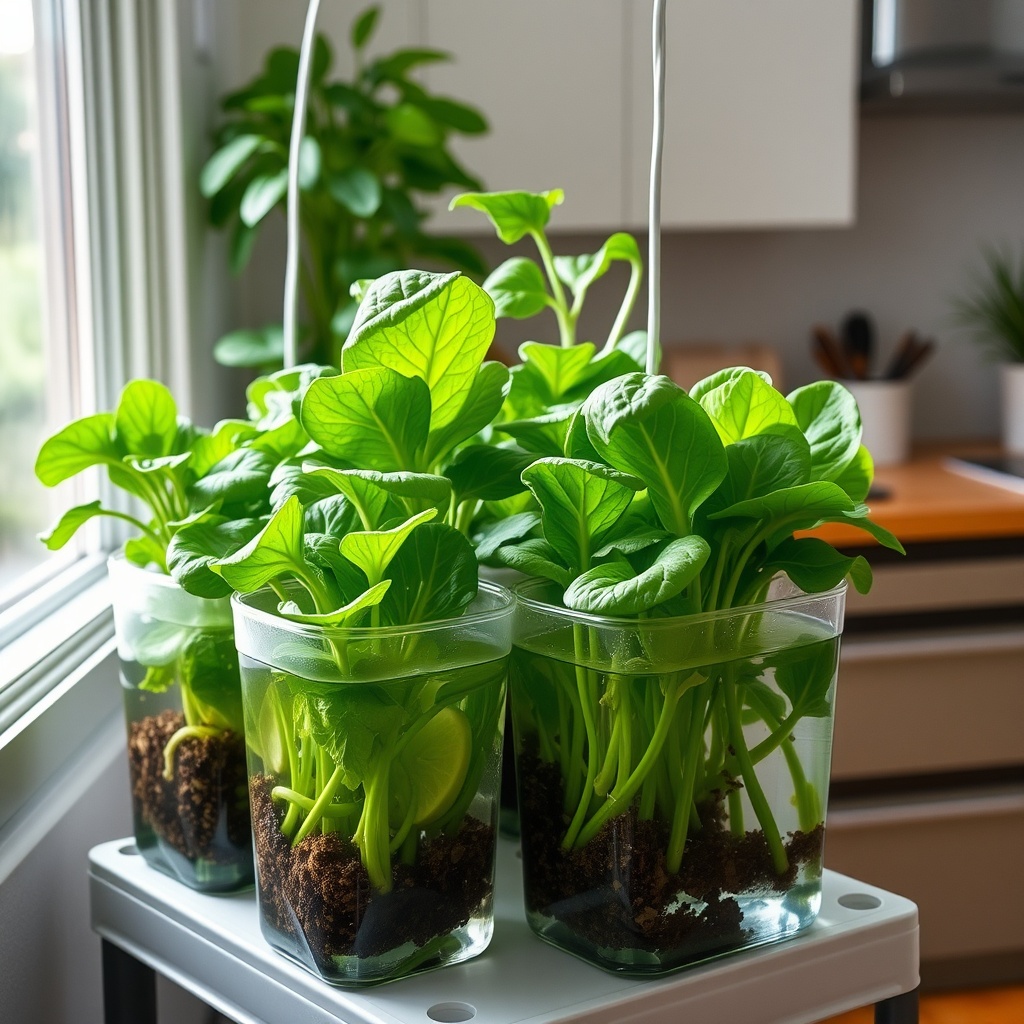
The post documents a compact apartment aquaponics build. Fish live in a tank below, their waste feeds bacteria, and that nutrient cycle supports plants in a grow bed above. The appeal is obvious. It is a self-contained little ecosystem, it looks great in a city apartment, and it scratches the same itch as any ambitious DIY build.

If you want an indoor growing hobby, start with straightforward hydroponics or a simple planter, not fish. Treat apartment aquaponics like a learning project with real failure modes, not a serious food strategy or an easy beginner setup.

Discussion mood

Mostly positive about the project as a hobby and very skeptical about it as practical agriculture. People liked the creativity and the break from AI discourse, but the strongest comments were blunt about poor economics, apartment leak risk, and aquaponics being an unnecessarily hard entry point compared with plain hydroponics.

Key insights

  1. 01

    Aquaponics is the hard mode beginner trap

    Starting with fish turns a simple indoor growing hobby into a balancing act between animal care, plant nutrition, and unstable water biology. Deep water culture was repeatedly recommended as the better first step because it teaches the same core hydroponic skills with fewer failure modes, and much of the equipment can be reused later if you still want to add fish.

    If you are evaluating indoor growing for yourself or your team, prototype with deep water culture first. Add battery backup for pumps and only move to aquaponics after you can keep a simpler system stable.

      Attribution:
    • bob1029 #1
    • steve_adams_86 #1
    • nothercastle #1
  2. 02

    Nature still crushes indoor input costs

    The cost problem is not just square footage. Once you move food production indoors, you have to buy the growing medium, move the water, supply the light, and manage every nutrient the weather and soil normally handle for free. That makes home systems an uphill battle even before you ask whether the produce output justifies the setup.

    Do not model indoor food systems as a clever software-style optimization problem. Assume energy, water handling, and nutrient management dominate until you prove otherwise with real numbers.

      Attribution:
    • slfnflctd #1
    • coffeebeqn #1
    • Epa095 #1
  3. 03

    Home growing wins on quality and agency

    People who actually grow food at home said the point is not price. It is dramatically better flavor, fresher harvest timing, and the ability to choose varieties and conditions that markets do not optimize for. The same instinct showed up more broadly as a desire to understand and shape your own environment instead of living entirely inside mass-market defaults.

    If you are judging a home or office growing project, use the right metric. Evaluate it as a quality-of-life, education, or craftsmanship investment, not as a grocery cost reducer.

      Attribution:
    • voakbasda #1
    • mythrwy #1
    • ctkhn #1
    • eptcyka #1
  4. 04

    Apartment risk is more about water than weight

    The strongest concrete safety concern was not that a 20 gallon tank would punch through the floor. It was that even a modest leak can create expensive downstream damage, trigger lease problems, and encourage mold if you keep open water in a confined space. Several people noted that aquarium rules vary widely by building and policy, which makes this a paperwork problem as much as an engineering one.

    Before setting up any indoor water system in a rental, read the lease and insurance policy, then plan for containment and monitoring. A drip tray, leak sensor, and ventilation are cheaper than finding out your landlord treats it as an unauthorized aquarium.

      Attribution:
    • ickelbawd #1
    • bitcurious #1
    • wk_end #1
    • laweijfmvo #1

Against the grain

  1. 01

    The economics critique was useful, not killjoyism

    The blunt cost breakdown landed with people who wanted more than hobby enthusiasm. It answered the obvious question of why apartment aquaponics is not common outside enthusiast circles and reframed the setup as educational theater rather than sustainable food production. That made the post easier to place in the real world instead of just admiring the build.

    When you share or evaluate a DIY system, include the boring economics early. It helps readers separate a satisfying experiment from something they should scale or imitate.

      Attribution:
    • NoLinkToMe #1
    • blanched #1
  2. 02

    Not every quirky build deserves broad interest

    One skeptical voice cut against the celebratory tone by arguing that this is basically stacked fish tanks with little novelty, and that personal hobby logs do not automatically become high-signal reading for a technical audience. That pushback is a reminder that charm alone is not enough if the underlying technique is already well-trodden.

    If you publish a hobby project for a technical audience, surface the non-obvious lessons fast. Readers will forgive niche subject matter, but not a lack of new information.

      Attribution:
    • indoorfish #1

In plain english

Aquaponics
A system that combines raising aquatic animals such as fish with growing plants in water, using fish waste as part of the plants’ nutrient supply.

Reference links

Indoor growing systems and examples

Books and fiction

  • Count Zero
    Referenced for its memorable fictional hydroponic gardens in a housing complex.

Insurance and building risk references