Grok Bot is xAI’s take on the emerging "AI coworker" pattern. Instead of a chat window, you get one or more persistent agents, each with its own virtual machine, memory, routines, and app access. They can keep working when your laptop is closed, and users who already have access said the login flow hands control over to you long enough to sign into a site, then the bot resumes driving that session. That makes the pitch easy to grasp. It is a hosted version of the same async agent setups people have been cobbling together with Claude Code, Codex, OpenClaw, Playwright, email triggers, and homegrown task loops.
What landed hardest was not excitement about the interface. It was discomfort with the trust model. The demo appears to involve the bot harvesting active browser state or taking over logged-in sessions, and a lot of people saw that as the real product decision here. A local or self-hosted agent can already do much of this for technical users. What xAI is selling is convenience for less technical users, in exchange for centralizing credentials, files, and behavior logs on xAI infrastructure. For many readers that trade looked insane, especially given Musk’s reputation and xAI’s brand baggage.
The second big theme was that always-on agents shift costs onto everyone they interact with. One early user described having a bot contact dozens of fabric suppliers in Vietnam, negotiate pricing, and coordinate sample creation. That impressed people as a proof of capability, but it also crystallized the downside. If sending requests becomes nearly free while reading and responding still costs human time, inboxes, job applications, vendor outreach, and support channels get flooded even faster. Several comments treated this as the next step in AI-generated spam, with companies forced to deploy more bots just to filter and answer other bots.
The technical reactions were more measured. People who have built their own async agents said the pattern is real and useful. Dedicated accounts, isolated repos, email-based control, rolling context compaction, and persistent todo lists already work well enough for bug triage and background work. But the hard parts are still the same: token burn is brutal for perpetual agents, session and memory management are expensive, and "computer use" remains flaky. The consensus was that Grok Bot is not a breakthrough in capability so much as a polished packaging of an existing direction. That direction looks inevitable. It also looks operationally messy, security fragile, and socially corrosive unless access controls and cost structures improve a lot.
If you are evaluating agent products, the technical novelty is not the main blocker. Trust, account isolation, prompt-injection risk, and the operational cost of always-on agents will decide whether this category is usable in a real company.
Mostly negative. People found the product concept legible and in some cases useful, but the dominant reaction was distrust of xAI with persistent account access, skepticism that the capability is much beyond existing DIY agent setups, and worry that always-on agents will amplify spam, scraping, and human time waste.
Key insights
01
Each bot really gets a separate VM
The product is not just a fancy chat tab. Users with access said every bot runs on its own virtual machine, and the handoff for login-walled sites is explicit. You temporarily take over the bot’s machine, sign in, then hand control back. That clears up what "own computer" means and explains how it can keep working after your laptop is closed.
Treat these bots like cloud workers with persistent sessions, not like local assistants. Your review should focus on VM isolation, session handling, and what data survives on that remote machine after login.
People already running async agents said the workflow can be genuinely productive. Background bug triage, email-triggered wakeups, private knowledge bases, self-written skills, and rolling context compaction are all working today. The catch is cost. Always-on agents chew through tokens fast, and memory compaction plus selective session resets are still unsolved enough that only users who ignore token costs can lean in fully.
Before rolling this out, model the ongoing token bill and the engineering work needed to manage long-lived context. Budget for state compaction and reset logic as core infrastructure, not polish.
The fabric-sourcing example convinced people the feature works, but also exposed the ugly economics. A user can now spray dozens of suppliers, recruiters, or vendors with almost no effort. The receiving side still pays with human attention, unless they add their own AI filters. That creates a bot-to-bot economy where every step can be locally optimized while the total system gets noisier and more wasteful.
Any company exposing forms, inboxes, or marketplaces should expect more machine-generated outreach. Add stronger qualification gates and assume that inbound volume will rise faster than real intent.
Claims that modern models have largely fixed prompt injection got shredded. The practical objection was simple. Even a low single-digit failure rate is catastrophic when the agent holds useful permissions, and benchmark gains do not change the underlying problem that commands and hostile data still mix together in the same context. That leaves defenders in an arms race, not at a solved security boundary.
Do not grant autonomous agents access on the assumption that model improvements made prompt injection safe. Put high-risk actions behind separate approval and limit the blast radius of every credential.
Using dedicated accounts came up as the obvious safety pattern, but people quickly pointed out its limits. It works for repos, bug trackers, and narrow business tools. It breaks down for bank access, inboxes, subscriptions, and any workflow where the value comes from acting as you. The account-separation idea reduces some risk, but it does not remove responsibility for what the agent does with the permissions you grant it.
Map your use cases by identity requirements. If the task needs the agent to operate as a real employee or customer account, your governance and audit requirements jump immediately.
Several readers saw little fundamental novelty here. Persistent sessions, parallel agents, and browser automation already exist through tools like Claude Code, Codex, OpenClaw, and Playwright. What Grok Bot adds is a cleaner hosted wrapper, stronger productization of memory and skills, and a friendlier presentation for nontechnical users. Capability itself still sounds uneven, especially for computer-use reliability.
Do not confuse smoother product UX with a step change in autonomy. When comparing vendors, test the same real workflow across off-the-shelf tools before paying a premium for branding and hosting.
The criticism that agent-driven sourcing wastes supplier time met a practical sales objection. Sending requests for quote to many vendors is standard procurement behavior already, and most serious deals involve back-and-forth qualification before anyone commits real effort. From that angle, the agent is speeding up an existing business process, not inventing a new harm.
If your market already runs on broad RFQs, focus less on whether outreach is automated and more on how you qualify buyers early. Better intake criteria will matter more than bot detection.
The nightmare scenario is an agent going rogue with your accounts. One firsthand user argued the more likely reality is sloppier but smaller damage. Wrong git commands, odd wording in tickets, or recoverable workspace mistakes are more common than catastrophic sabotage. That does not make the systems safe, but it does suggest the immediate operational risk may look more like error-prone automation than sci-fi betrayal.
Plan for frequent low-grade mistakes before you plan for movie-plot disasters. Logging, undo paths, and human review loops will pay off faster than exotic threat models.
x.ai
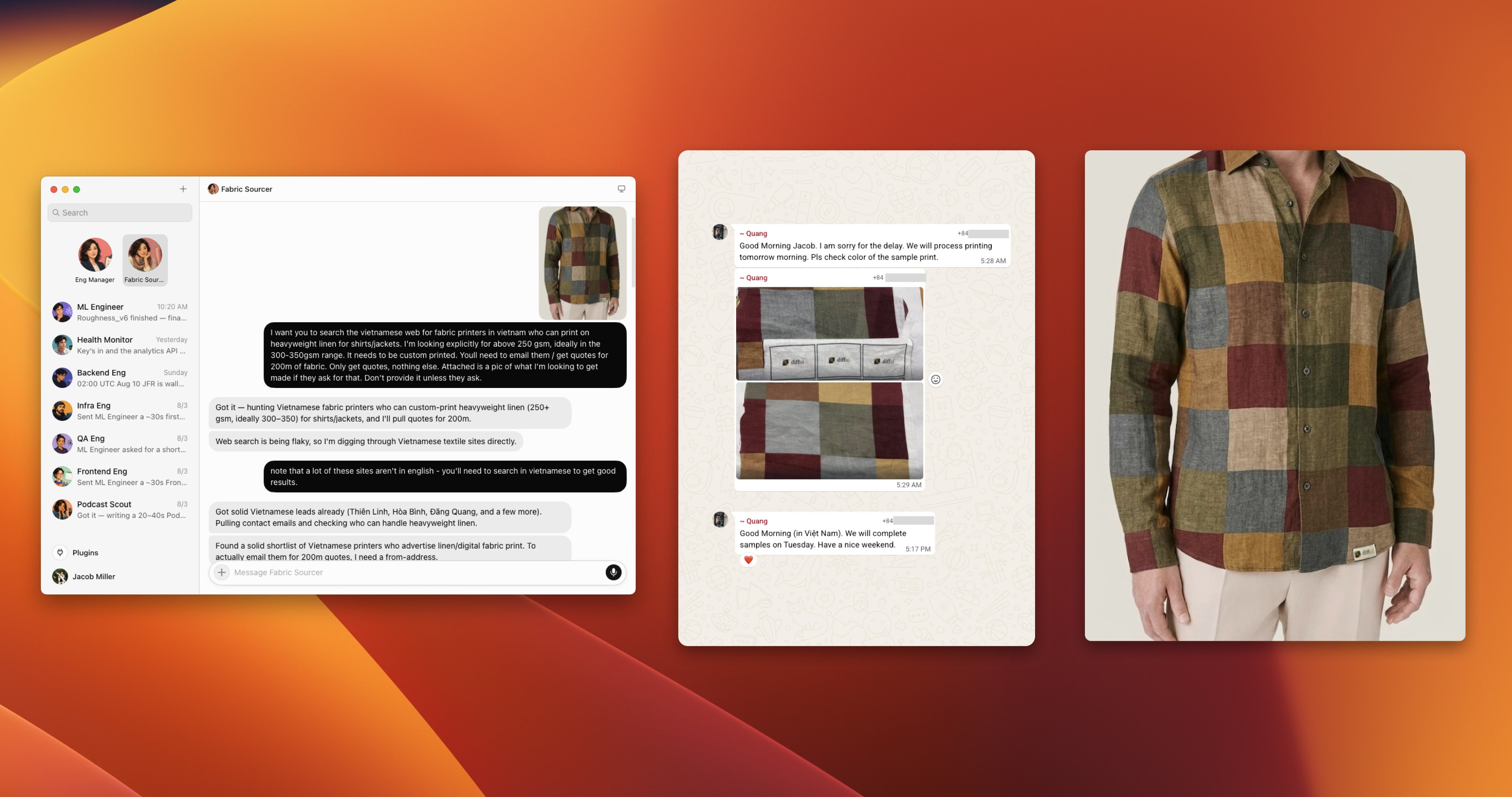 Fabric supplier bot result screenshot
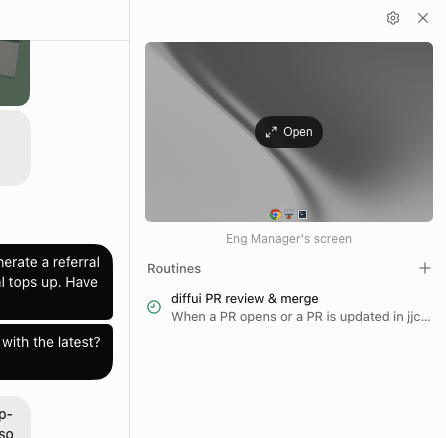 Grok Bot login handoff screenshot