HN Debrief

Luanti removed from Google Play due to baseless AI copyright notice

  • Open Source
  • Gaming
  • Regulation
  • Platforms
  • AI

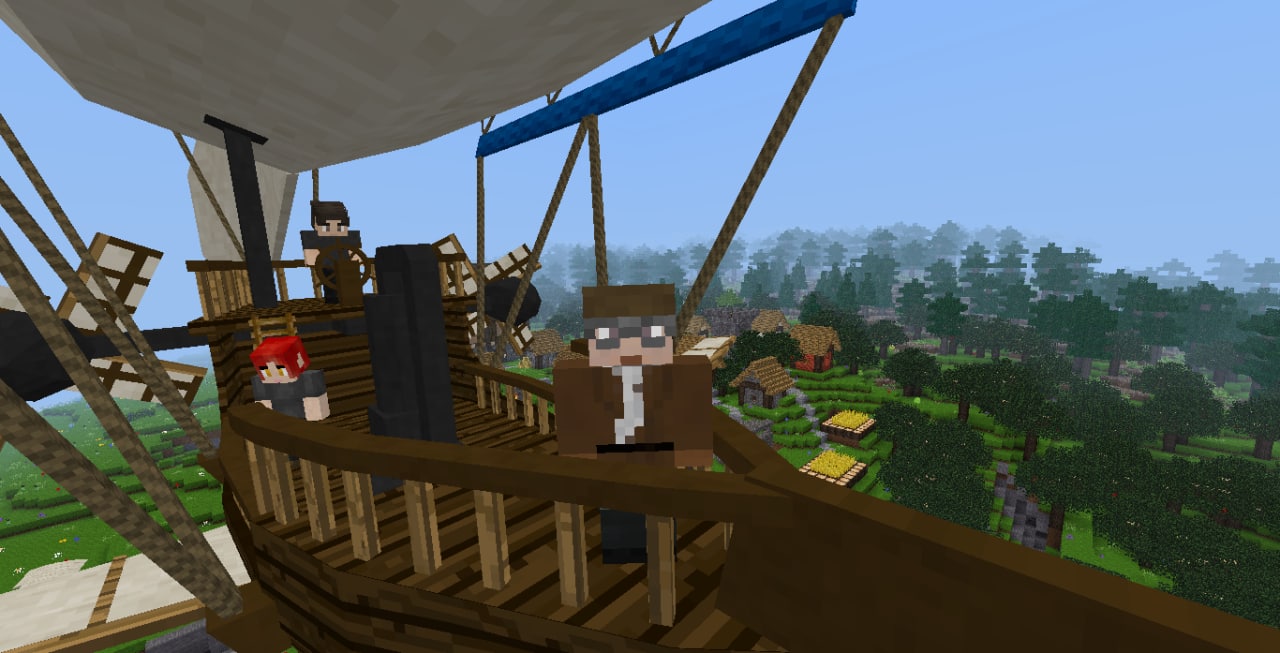
Luanti posted that its Android app was pulled from Google Play after Tracer.AI sent a copyright complaint on Microsoft’s behalf alleging infringement of Minecraft. Luanti is not a single Minecraft clone. It is an open source engine and platform for building blocky voxel games, formerly called Minetest, and the post argues the notice is baseless because neither the engine nor the showcased games copy Minecraft assets. The core reaction was that this is what happens when copyright enforcement gets outsourced to low-cost automation and platforms accept the takedown first, ask questions later. People kept coming back to the same ugly incentive. Tracer.AI appears to pay almost nothing for false positives, Microsoft avoids the labor cost of real review, and Google minimizes its own legal exposure by removing the app immediately.

If you distribute through major app stores or platforms, treat bogus copyright takedowns as an operational risk, not a rare edge case. Build alternate distribution paths, keep your counter-notice process ready, and watch how AI-driven enforcement vendors shift cost and liability onto everyone downstream.

Discussion mood

Angry and cynical. Most commenters saw the removal as a predictable abuse of platform-controlled copyright enforcement, made worse by AI vendors, weak penalties for bad claims, and Google’s willingness to take content down before any real review.

Key insights

  1. 01

    Google’s process is harsher than DMCA

    What looks like a DMCA story is also a platform policy story. Several commenters argued the statute’s counter-notice mechanism is more balanced than Google’s implementation, because formal DMCA procedure requires restoration after a waiting period unless the claimant files suit. That changes the diagnosis from "bad law only" to "bad law plus an even more risk-averse private workflow".

    Do not assume a platform’s takedown flow matches the law it cites. When planning distribution, map the actual reinstatement path on each platform and budget for delays that exist only because the intermediary wants less risk.

      Attribution:
    • kevin_thibedeau #1
    • vorpalhex #1
    • kg #1
  2. 02

    Counter-notices can trap foreign developers

    For developers outside the US, the counter-notice is not a cheap paperwork fix. Filing one means consenting to US federal court jurisdiction, often in California, and commenters noted that alone can make a defensible case economically hopeless. Platform-specific dispute systems make it worse because they add opaque process before you even reach the statutory path.

    If your team is outside the US, get advice on counter-notice jurisdiction before you need it. The legal venue risk can dominate the copyright merits, so distribution strategy should account for that upfront.

      Attribution:
    • tough #1
    • kmeisthax #1
  3. 03

    AI enforcement works because others absorb the mistakes

    The strongest business framing was that Microsoft can save money by using Tracer.AI precisely because the false positive cost lands on Luanti and not on Microsoft. Commenters saw the vendor as a liability buffer and a cost-cutting tool, not just a detection tool. That makes bad notices a rational outcome, not an accident, until penalties are pushed back onto the sender or client.

    Expect more automated enforcement from large incumbents wherever a mistaken takedown mostly hurts a smaller third party. If your product can be mistaken for a larger brand’s ecosystem, invest in evidence, alternate channels, and rapid response before the first notice arrives.

      Attribution:
    • culi #1
    • Macha #1
    • mortsnort #1
  4. 04

    False-notice penalties are mostly unusable

    The law already has a remedy for bogus takedowns under 17 U.S.C. § 512(f), but commenters explained why it rarely bites. You have to prove the sender knowingly made a material misrepresentation, and automation muddies accountability even further because nobody has to own the mistake directly. The result is a penalty that exists mostly as theater.

    Do not rely on post hoc punishment to deter abusive notices. In practice, resilience and quick recovery matter more than expecting the legal system to discipline a sloppy claimant.

      Attribution:
    • ethin #1
    • duskwuff #1
    • culi #1
  5. 05

    Luanti’s resemblance is mostly genre, not copying

    Beyond defending Luanti in the abstract, several commenters added concrete context that the platform has long existed, distributes many distinct games, and reviews user-submitted content for licensing on ContentDB. They argued the blocky survival-crafter look traces back through games like Infiniminer and is too general to treat as Minecraft-owned expression. That makes the takedown look less like a close legal call and more like an overbroad sweep at a whole visual category.

    If your product sits in a genre with a dominant incumbent, document independent lineage and licensing hygiene. That record helps rebut attempts to collapse an entire category into one company’s IP.

      Attribution:
    • astrobe_ #1
    • Intermernet #1
    • maybewhenthesun #1
  6. 06

    Bonded notices would change the incentives

    One of the more concrete reform ideas was to require a refundable bond with each takedown request, with higher amounts for high-volume claimants. The point is not legal elegance. It is to put a real marginal cost on mass notices and fund damages for wrongly targeted creators. Even commenters who disliked the specifics treated the incentive problem as the right target.

    Watch for policy proposals that attack notice volume economics rather than just adding more procedural language. Any reform that makes large-scale automated claims expensive will do more than symbolic penalties that are never enforced.

      Attribution:
    • jmward01 #1 #2
    • pdonis #1

Against the grain

  1. 01

    The screenshots create avoidable legal risk

    A minority view held that even if Luanti would win on strict copyright analysis, some promotional images are close enough to Minecraft’s look that a jury or platform reviewer could see them as trouble. The argument is practical, not doctrinal. If your homepage showcases content that reads as a flagship competitor’s aesthetic, you are inviting expensive confusion whether or not the law is on your side.

    Review marketing assets through the eyes of a rushed non-expert reviewer, not just your legal theory. Swapping ambiguous screenshots may reduce takedown risk faster than proving you are right after the fact.

      Attribution:
    • WarmWash #1 #2 #3
  2. 02

    Bonds could hurt small creators too

    The main objection to the bond idea was that copyright claimants are not only giant corporations. Independent artists and small developers also need to send takedowns, and any fee high enough to discipline Microsoft may block legitimate claims from people with little cash. That is a real design constraint, not hand-wringing.

    Be skeptical of reforms that only work against large firms on paper. If you support a bond system, look for scaling by claimant size or claim volume so it does not quietly price small creators out of enforcement.

      Attribution:
    • applfanboysbgon #1 #2

In plain english

17 U.S.C. § 512(f)
A section of US copyright law that allows damages for knowingly making false takedown claims, though it is hard to use in practice.
counter-notice
A formal response to a copyright takedown claim that says the removal was mistaken and requests restoration of the content.
DMCA
The Digital Millennium Copyright Act, a US law that includes a notice-and-takedown system for alleged online copyright infringement.
Luanti
An open source platform and engine for building and playing voxel-based games, formerly called Minetest.
voxel
A three-dimensional pixel-like building block used to make blocky 3D worlds and objects.

Reference links

Primary documents and evidence

Background on copyright and platform enforcement

Related examples and analogies